
The cultural influence of casinos reshaping social dynamics and community interactions
The Role of Casinos in Modern Culture
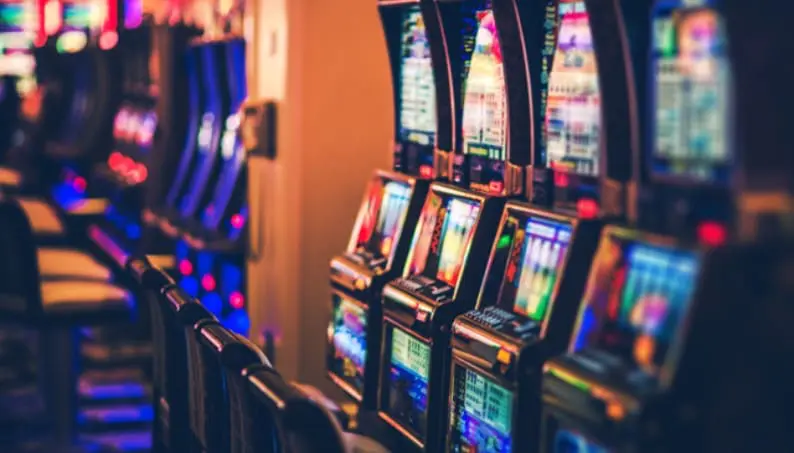
Casinos have evolved beyond mere gambling establishments; they are now integral components of contemporary culture. They serve as social hubs where people from diverse backgrounds come together to enjoy entertainment and leisure activities. The atmosphere of excitement and anticipation found in casinos draws individuals not only for gambling but also for the social interaction that ensues. This dynamic environment fosters connections among players, encouraging discussions and relationships that can extend beyond the gaming floor. For those new to this thrilling world, experiencing Ice Fishing can be an exhilarating introduction to gaming.

Additionally, casinos often host events such as concerts, performances, and themed nights, further enhancing their cultural significance. By providing a venue for various forms of entertainment, they attract a broad audience, from casual visitors to serious gamers. This blend of entertainment options contributes to the perception of casinos as cultural landmarks, positioning them as essential players in the social landscape of the regions they inhabit.
Moreover, the design and architecture of casinos often reflect local culture and history, merging entertainment with artistic expression. Many casinos incorporate elements of their geographical location, creating a unique aesthetic experience. This connection to local culture not only enriches the visitor experience but also strengthens community ties, as residents take pride in these establishments that celebrate their heritage while offering modern entertainment.
Community Interactions and Social Dynamics
The presence of a casino can significantly influence community interactions and social dynamics. In many regions, casinos have become focal points for social gatherings, where people come together to celebrate events, meet friends, or enjoy leisure activities. This social engagement fosters a sense of belonging and camaraderie among community members, encouraging interactions that may not have occurred in other settings.
Furthermore, casinos can positively impact local economies by creating jobs and stimulating nearby businesses. As visitors flock to casinos, surrounding shops, restaurants, and hotels often benefit from increased foot traffic. This boost in economic activity can lead to more community events and activities, enriching the social fabric of the area. The interconnectedness of local businesses and the casino environment encourages community members to interact, fostering a vibrant social atmosphere.
However, it is crucial to acknowledge the challenges that may arise from increased casino activity. While they can strengthen social ties, they also have the potential to exacerbate social issues like gambling addiction and economic disparities. Communities must navigate these complexities, ensuring that the benefits of casino culture are balanced with responsible practices and support systems for those who may struggle with gambling-related issues.
Casinos as Cultural Spaces
Casinos have increasingly been recognized as cultural spaces where art, music, and performance intersect with gaming. Many establishments host art exhibitions and live performances, showcasing local talent while providing visitors with an enriching experience. This not only highlights the artistic community but also allows casinos to contribute to the cultural capital of their regions.
Furthermore, themed casinos often reflect broader cultural narratives, drawing inspiration from various aspects of society, including history, mythology, and pop culture. These immersive environments create unique experiences for guests, allowing them to engage with a blend of entertainment and culture. By offering thematic experiences, casinos can attract a wider audience, stimulating interest in both gaming and the arts.
As cultural spaces, casinos also play a role in community identity. They can foster pride among residents who view the casino as a reflection of their local culture. This connection can enhance loyalty and support from the community, ensuring the casino remains a vital part of the social landscape. Casinos, therefore, are not just places of chance but are intertwined with the cultural narratives and social identity of their communities.
The Future of Casinos and Social Engagement
As technology continues to advance, the future of casinos will undoubtedly evolve, affecting social engagement in significant ways. Online gaming and virtual casinos have already begun to reshape how individuals interact with gambling, making it accessible to a broader audience. This shift may lead to changes in traditional social dynamics as people engage with gaming in new, more isolated environments.
However, land-based casinos can leverage this trend by integrating technology into their offerings, providing immersive experiences that enhance social interaction. Innovations like virtual reality and augmented reality can create unique gaming experiences, encouraging visitors to connect with each other in novel ways. This fusion of technology and gaming could redefine what it means to socialize within the casino environment.
Moreover, the potential for responsible gaming initiatives to be embedded in these technological advancements cannot be overlooked. As casinos evolve, they have the opportunity to prioritize community welfare through education, support, and responsible gaming practices. Balancing technological innovation with social responsibility will be crucial in shaping the future of casinos as positive cultural and community influences.
Understanding Casino Culture through Community Engagement
To fully grasp the cultural influence of casinos, it’s essential to consider the role of community engagement in shaping their identity. Casinos can create programs that foster local involvement, such as charity events or community service initiatives. By actively participating in community well-being, casinos can reinforce their positive image and strengthen connections with residents.
Moreover, community-driven events at casinos can promote cultural awareness and appreciation among visitors. For example, hosting cultural festivals or local craft fairs allows casinos to showcase the talents and traditions of their surroundings. This not only provides entertainment but also enhances the cultural exchange between casinos and the communities they serve, enriching the overall experience for everyone involved.
Through strategic community engagement, casinos can emerge as leaders in promoting social cohesion and cultural appreciation. By forging partnerships with local organizations, they can address social challenges while simultaneously enriching the cultural landscape. As casinos continue to evolve, their role as cultural institutions will be pivotal in shaping future social dynamics and interactions within their communities.